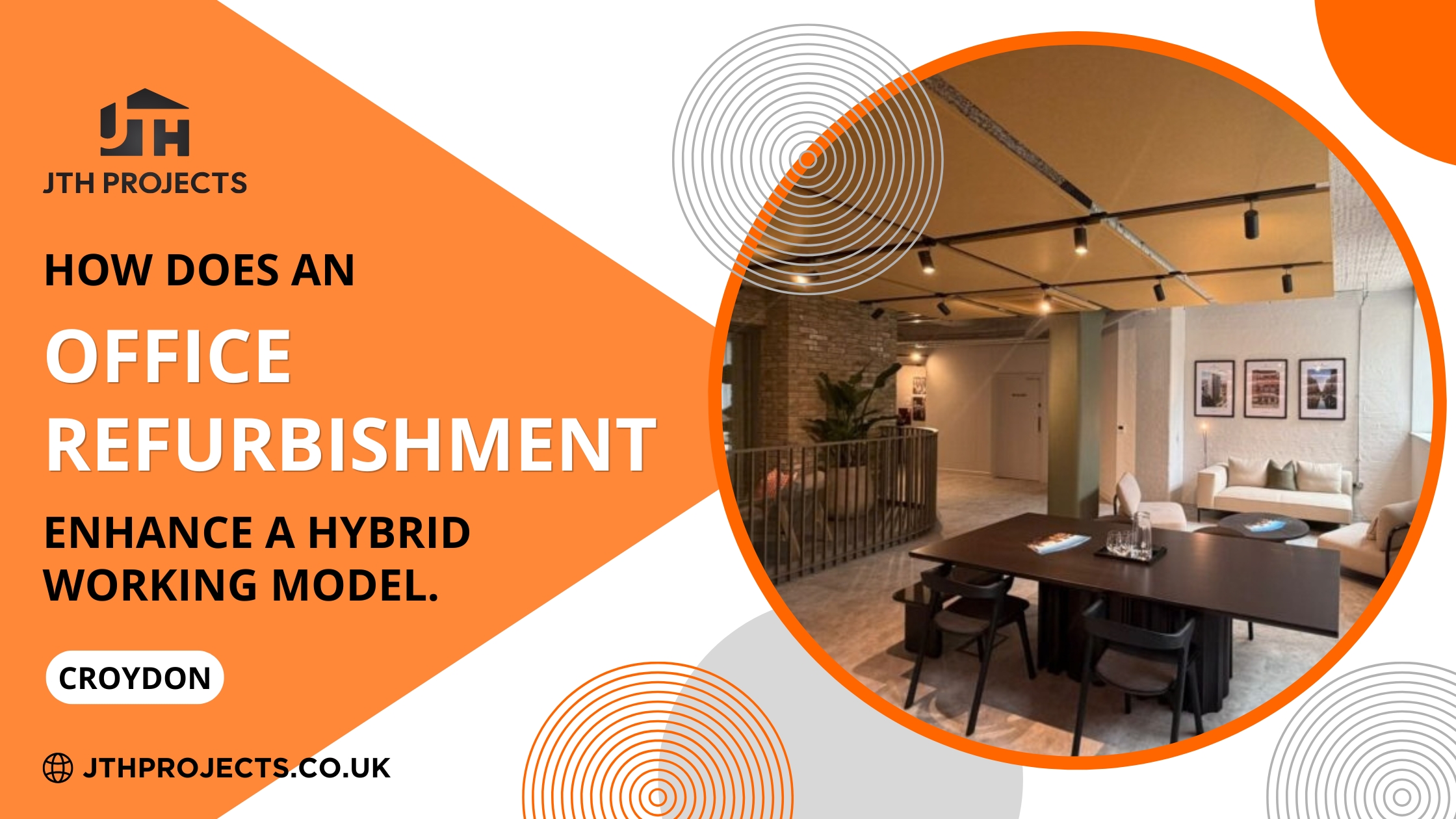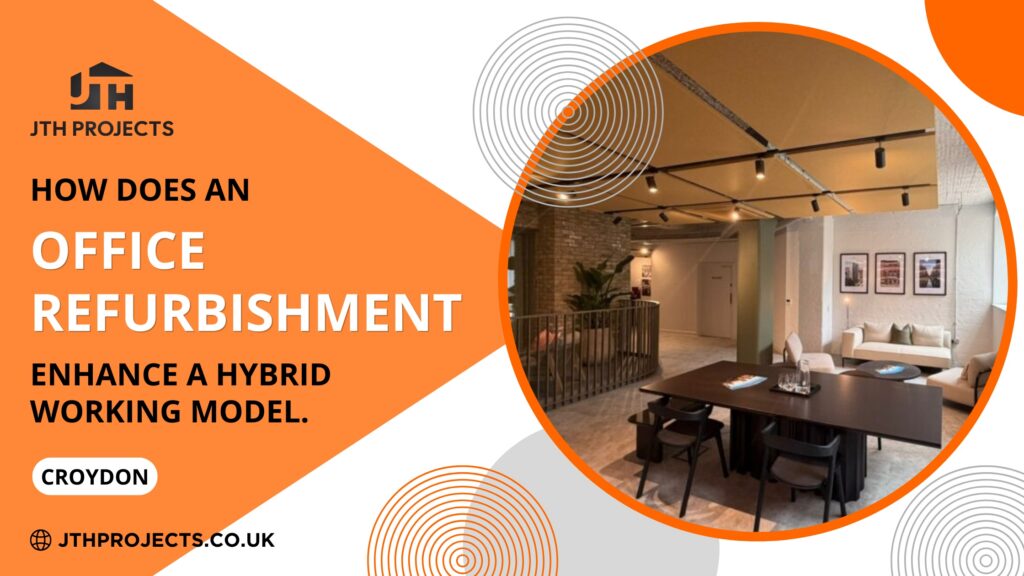
Walk into most Croydon offices built before 2015, and you’ll spot the problem straight away. Rows of fixed desks, a couple of meeting rooms nobody booked properly, and a layout that assumes everyone’s in five days a week. That world’s gone, but plenty of buildings haven’t caught up.
Hybrid working isn’t a passing trend anymore; it’s just how business runs now. Which is exactly why an office refurbishment in Croydon has become such a practical starting point for firms trying to make their space earn its keep again, rather than sitting half-empty on a Monday and rammed on a Wednesday.
That mismatch between old layouts and new habits is costing companies more than they realise, in wasted rent, in flat energy, in staff who’d rather work from the kitchen table. Getting the space right isn’t cosmetic. It’s how you get people back in the building, and glad to be there.
What Does Hybrid Working Actually Demand from an Office?
Before any refurbishment plan gets drawn up, it’s worth being honest about what hybrid teams actually need day to day, because there are rarely more desks.
- A mix of quiet zones and collaborative areas, since the same room can’t do both jobs well
- Enough bookable meeting space for the days everyone happens to be in at once
- Reliable tech in every room, not just the boardroom, so video calls don’t become a lottery
- Storage that works for people who no longer have a permanent desk
- Spaces that genuinely feel worth commuting for, not just a repeat of home
Why Office Refurbishment in Croydon Is Well Suited to Hybrid Transitions
Croydon has a particular advantage here that’s easy to overlook. It’s well connected into central London, but the office stock is often older and more affordable to reconfigure than comparable space in zone 1.
That combination matters. An office refurbishment in Croydon typically costs less per square foot to deliver than a central London equivalent, which means:
- Budget stretches further, covering acoustics, AV and furniture rather than just a lick of paint
- Businesses can afford to test layouts and adjust rather than committing to one rigid design
- Landlords in the area are increasingly open to flexible fit-outs, since tenant retention matters more than it used to
- Firms already based locally can refurbish in phases without relocating
Practical Design Moves That Make Hybrid Working Actually Function
Not every change needs to be dramatic. Some of the most effective ones are the sort you’d barely notice until you realise the office feels different.
- Swapping a bank of fixed desks for a smaller number of hot-desking spots with proper booking software
- Adding acoustic pods or partitioned rooms for calls, so open-plan doesn’t mean everyone overhears everything
- Building in “anchor days” infrastructure, extra meeting rooms and social space for the days teams choose to overlap
- Upgrading lighting and ventilation, which sounds unglamorous but has a real effect on whether people want to be there
- Reworking the reception and breakout areas so the office feels like a destination, not just somewhere to log in
Where JTH Projects Fits into This
This is the sort of work JTH Projects handles regularly across Croydon area. Rather than pushing a single template, the team tends to start by asking how a business actually operates now, who’s in on which days, and what’s not working, before touching a single wall.
That approach matters because a hybrid-ready office isn’t really about aesthetics. It’s about function first; look second. JTH Projects has managed refurbishments where the brief changed halfway through because occupancy patterns shifted, and the flexibility to adapt mid-project is often what separates a refurb that ages well from one that needs redoing in eighteen months.
Choosing the Right Team for the Job
Not every contractor understands hybrid working; some still design as if it’s 2019. This is where working with genuine office refurbishment experts in Croydon starts to pay off, because they’ve usually seen enough failed layouts to know what to avoid.
- Ask to see examples of hybrid-specific projects, not just general office fit-outs.
- Check how they handle phased works if you can’t close the office for weeks at a time.
- Get clarity on how AV and connectivity upgrades are handled, since this is where budgets often go wrong.
- Look for a contractor who’ll push back on ideas that won’t actually work, not just agree with everything.
A Space Worth Coming Back To
Getting an office refurbishment in Croydon right isn’t about chasing trends, it’s about building a space that matches how your team genuinely works now, split between home and the office, and giving people a real reason to choose the commute. Done properly, it pays for itself in retention and morale alone.
FAQs
-
How long does a typical hybrid-focused office refurbishment take?
Most projects run six to twelve weeks depending on scale, though phased refurbishments can be spread out to avoid closing the office entirely.
-
Does a smaller office still need reconfiguring for hybrid working?
Yes, smaller offices often benefit most, since inefficient layouts waste a higher proportion of the available space.
-
Can refurbishment work happen while staff are still using the building?
Often, yes. A lot of contractors, like JTH Projects, plan phased works around occupied floors to minimise disruption.
-
How do I know if my Croydon office actually needs refurbishment?
If desks sit empty most days while meeting rooms stay booked solid, that’s usually a clear sign.
-
Should I hire local contractors for this type of work?
Local office refurbishment experts in Croydon tend to understand the building stock and planning quirks better than firms working remotely.